Cellversity
[Client]
Cellversity
[Year]
2026
[Project Focus]
- Give readers a clear path from curiosity to a science story they can finish.
- Give editors a publishing system that can grow subjects, authors, and issues without a rebuild.
Scroll to explore
[Overview]
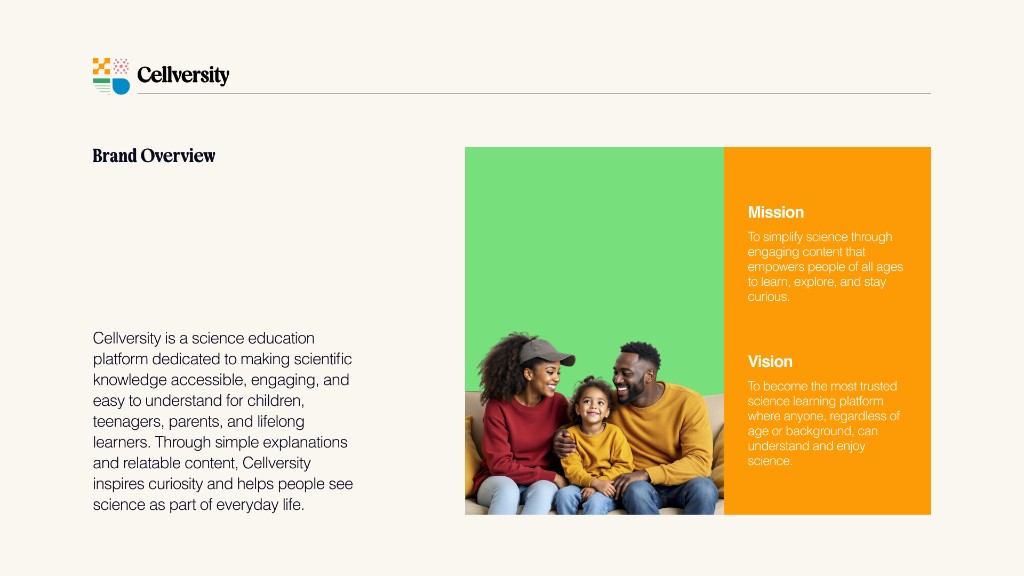
Cellversity is a science education platform. The product is the path from a question to a story a family can read — and a publishing system that can keep that path filled.
[What I did]
- Designed and implemented the Next.js editorial platform for stories, subjects, and contributors
- Built a Sanity CMS workflow for publishing, age ranges, and subject taxonomy
- Shipped discovery, featured stories, and newsletter subscription for a production audience
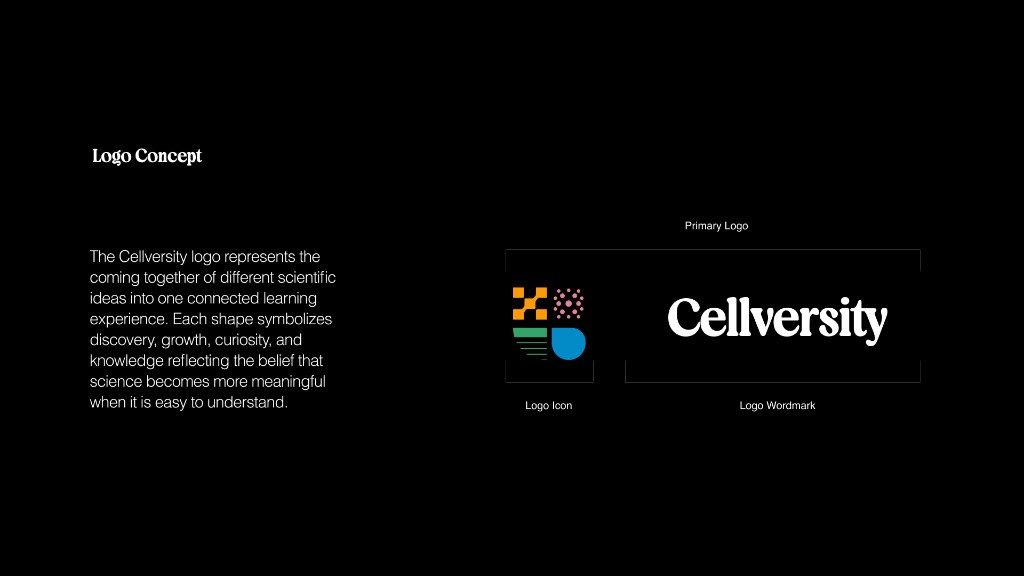
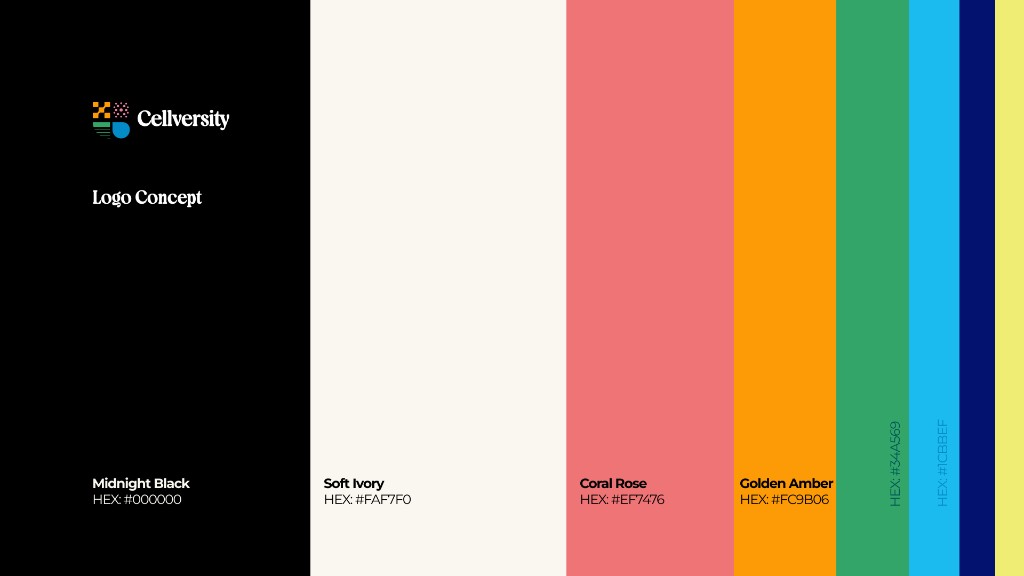
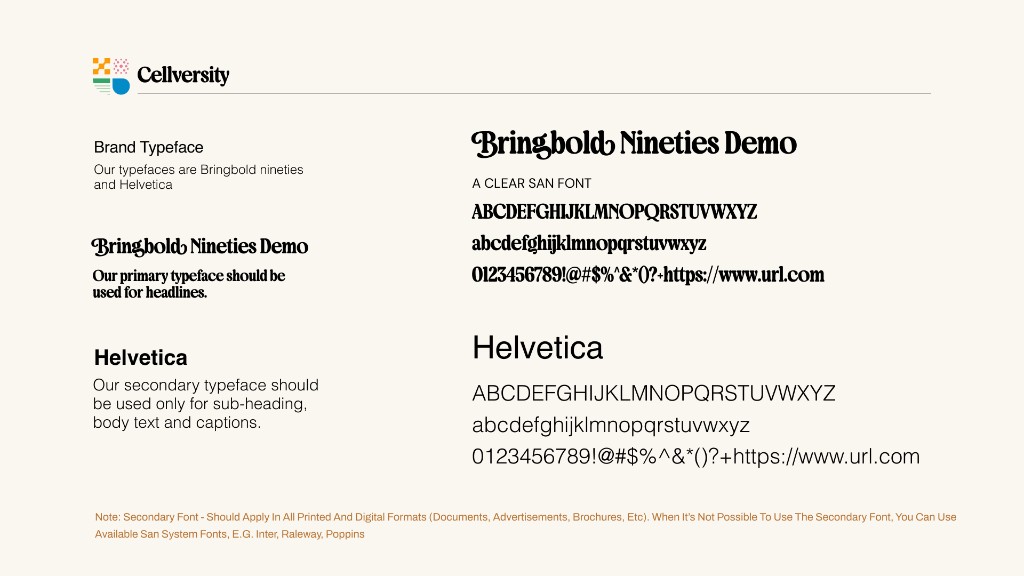
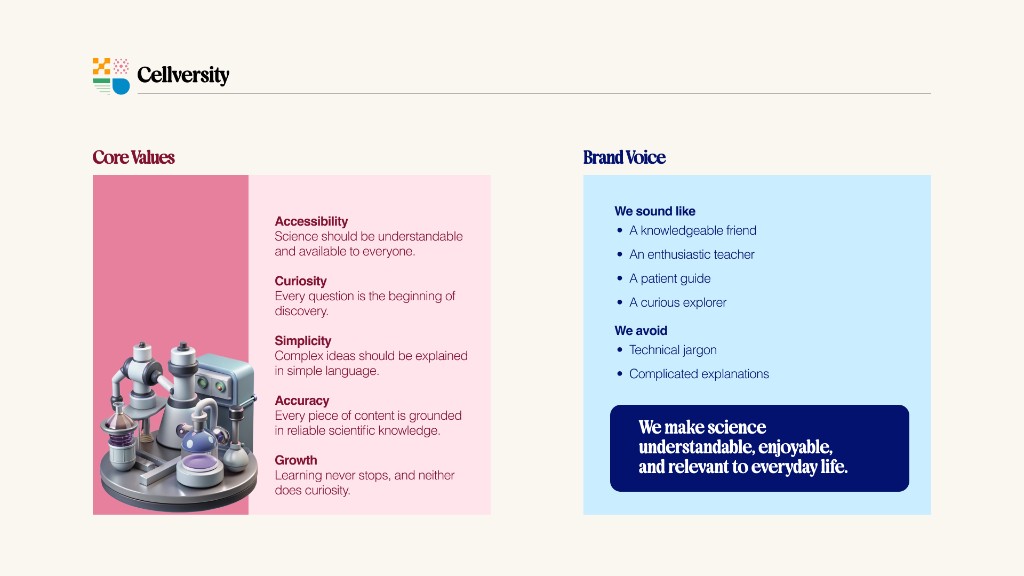
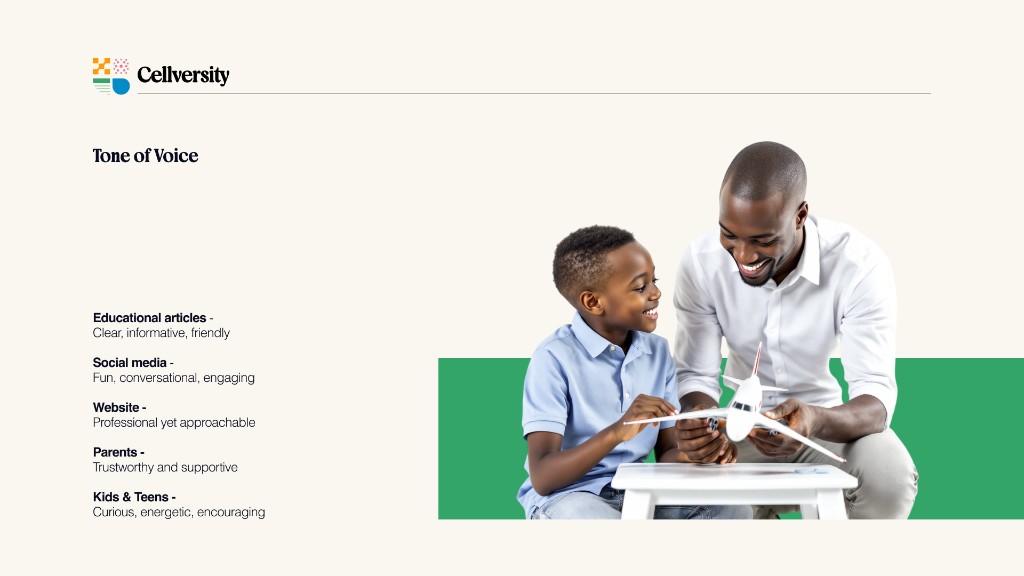
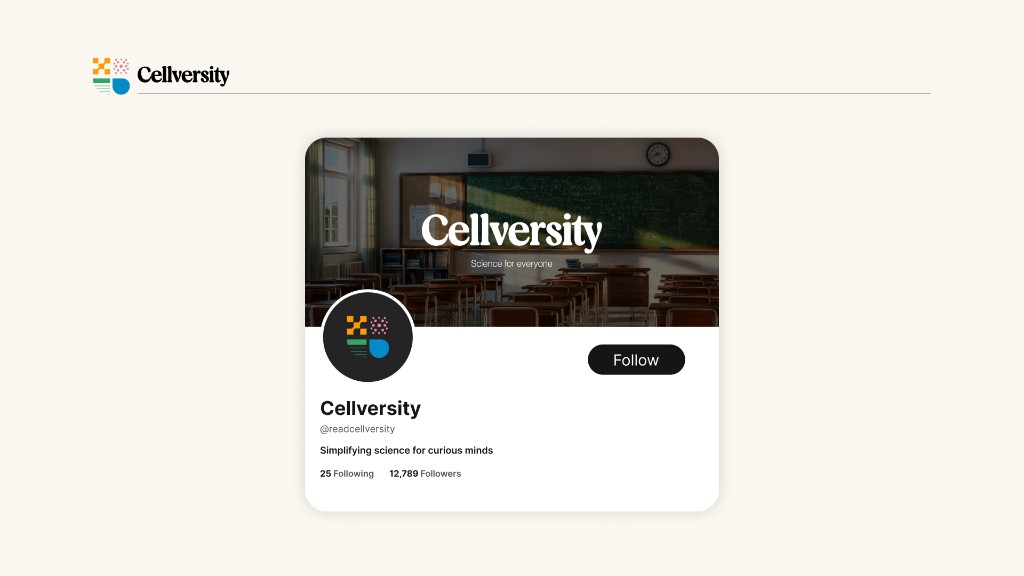
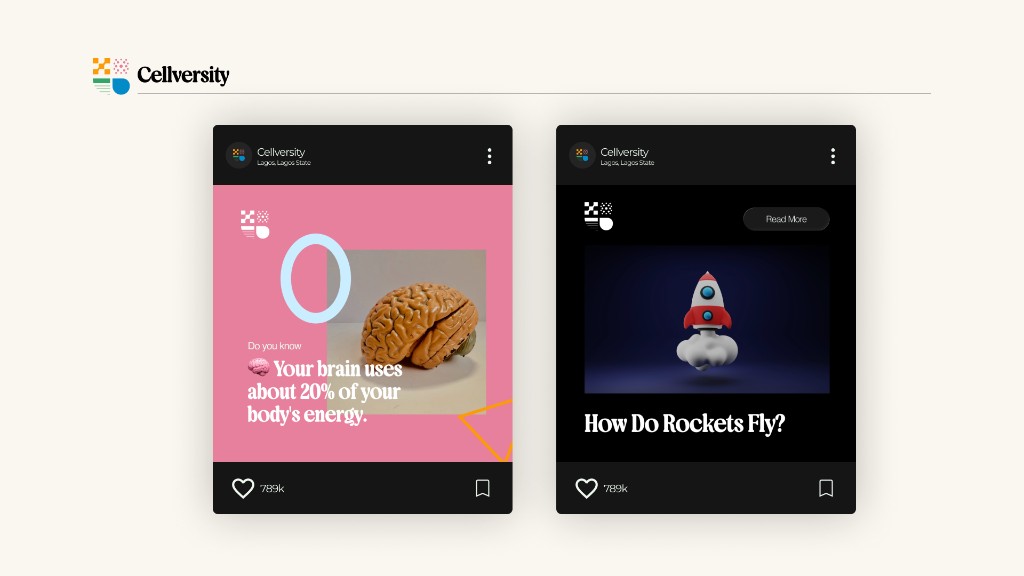
- Defined and implemented the visual identity — logo, type, color, and brand voice — across the live product
[The role]
Full-Stack Engineer
Njay
Project Info
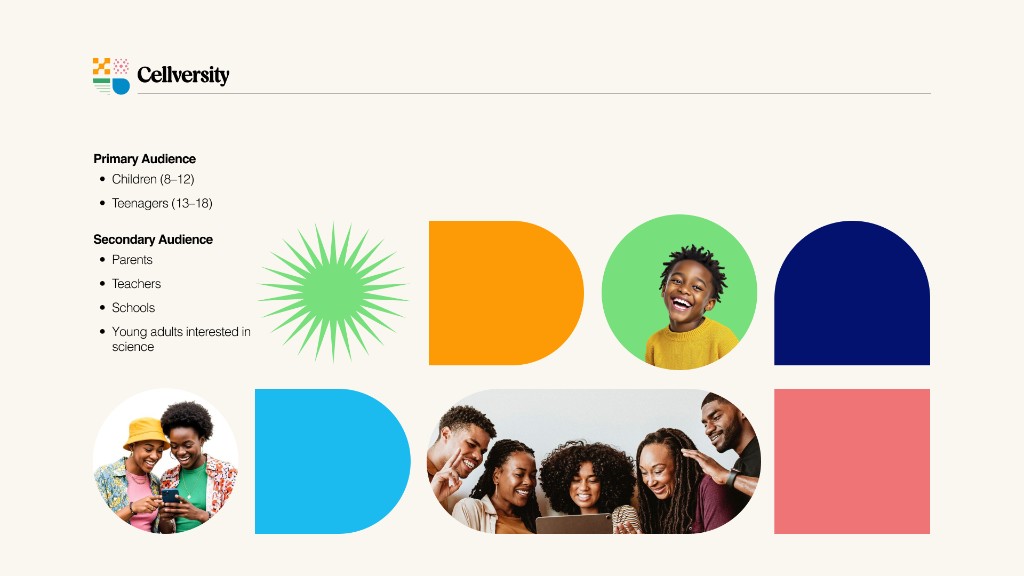
Cellversity is a science education platform for readers who want research-backed stories in everyday language. The product has to feel like a magazine — featured work, subjects, age ranges, and contributors — while remaining simple enough for a small editorial team to operate.
I designed and built the platform end to end: the Next.js front end readers use, and the Sanity publishing model behind it. The requirement was a production site at cellversity.com that could take a new story, subject, or author without engineering changing the information architecture each time.

Overview
2026
Cellversity is a science education platform for readers who want research-backed stories in everyday language. The product has to feel like a magazine — featured work, subjects, age ranges, and contributors — while remaining simple enough for a small editorial team to operate.
I designed and built the platform end to end: the Next.js front end readers use, and the Sanity publishing model behind it. The requirement was a production site at cellversity.com that could take a new story, subject, or author without engineering changing the information architecture each time.
The Process
Work started with the reading path. A visitor should find a featured story, move into a subject, and finish an article with a clear author, date, and age range. Those objects became the content model — stories, subjects, contributors, and issues — rather than a collection of disconnected pages.
Sanity holds the working set. Editors publish stories with subject, age range, and byline. The Next.js application queries that model for the homepage, subject indexes, article pages, and contributor profiles, so the front end never invents a second structure for the same content.
Discovery and retention were treated as product features. Featured placement, subject taxonomy, and a newsletter subscription sit on the same publishing system. The brand — type, imagery, and navigation — was implemented as part of the engineering delivery, then shipped as a live editorial site.
The Outcome
Cellversity is live at cellversity.com: readers can browse featured science stories by subject and age range, and editors can publish through a structured CMS instead of a static site.
The platform can accept new subjects, contributors, and stories without rewriting the reading path. Publishing and discovery are one system.